Digital Transformation Technogym
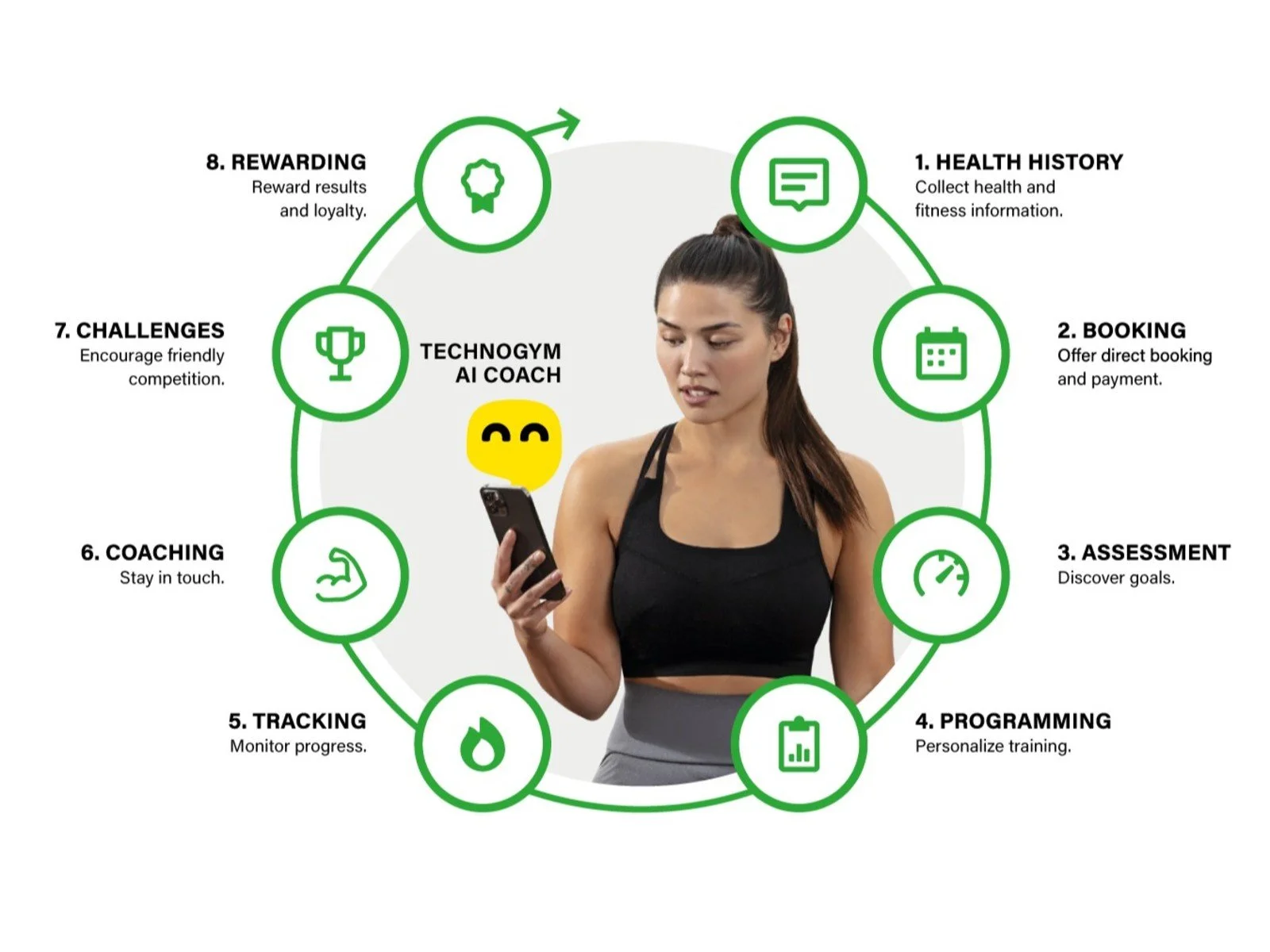
At Technogym, I played a key role in the business’s digital transformation, supporting the shift from equipment led sales to a digital first ecosystem of connected solutions. This transformation required not only new technology adoption, but a fundamental change in mindset across sales teams, clients, and partners.
I worked closely with sales leadership to support this transition, helping teams reposition the conversation from hardware features to long term value through digital services, data, and member journey management. This shift fundamentally changed how solutions were presented, sold, and experienced.
To enable adoption and engagement, I designed and delivered a series of interactive, education led events, inviting customers to experience the technology firsthand and understand the full digital journey. These sessions were structured to remove complexity, build confidence, and demonstrate practical use cases rather than abstract innovation.
To further support this transformation, I led the development of a dedicated showroom application with Technogym Digital Solutions, designed as a live demonstration tool. The app positioned the showroom as a tangible showcase of the versatility and scalability of Technogym’s digital ecosystem, supporting both education and conversion.
I also led a three phase launch of a major upgraded software release across the equipment and digital platform. This launch required careful change management, navigating resistance from sales teams, client hesitation, and technical constraints. By sequencing the rollout, aligning messaging, and supporting teams through each phase, the launch achieved adoption while maintaining business continuity.
This initiative demonstrates my ability to lead complex digital transformation programs, balancing innovation, stakeholder management, and commercial outcomes in highly technical environments.
Consumer Transformation Technogym
When I joined Technogym, the consumer segment represented approximately 5 percent of total revenue and operated as a secondary focus within a predominantly B2B organisation.
Over the five years of my tenure, I led the consumer transformation of the business, growing the home segment from $3 million to $10 million in annual revenue, representing a 233% increase (more than 3x growth).
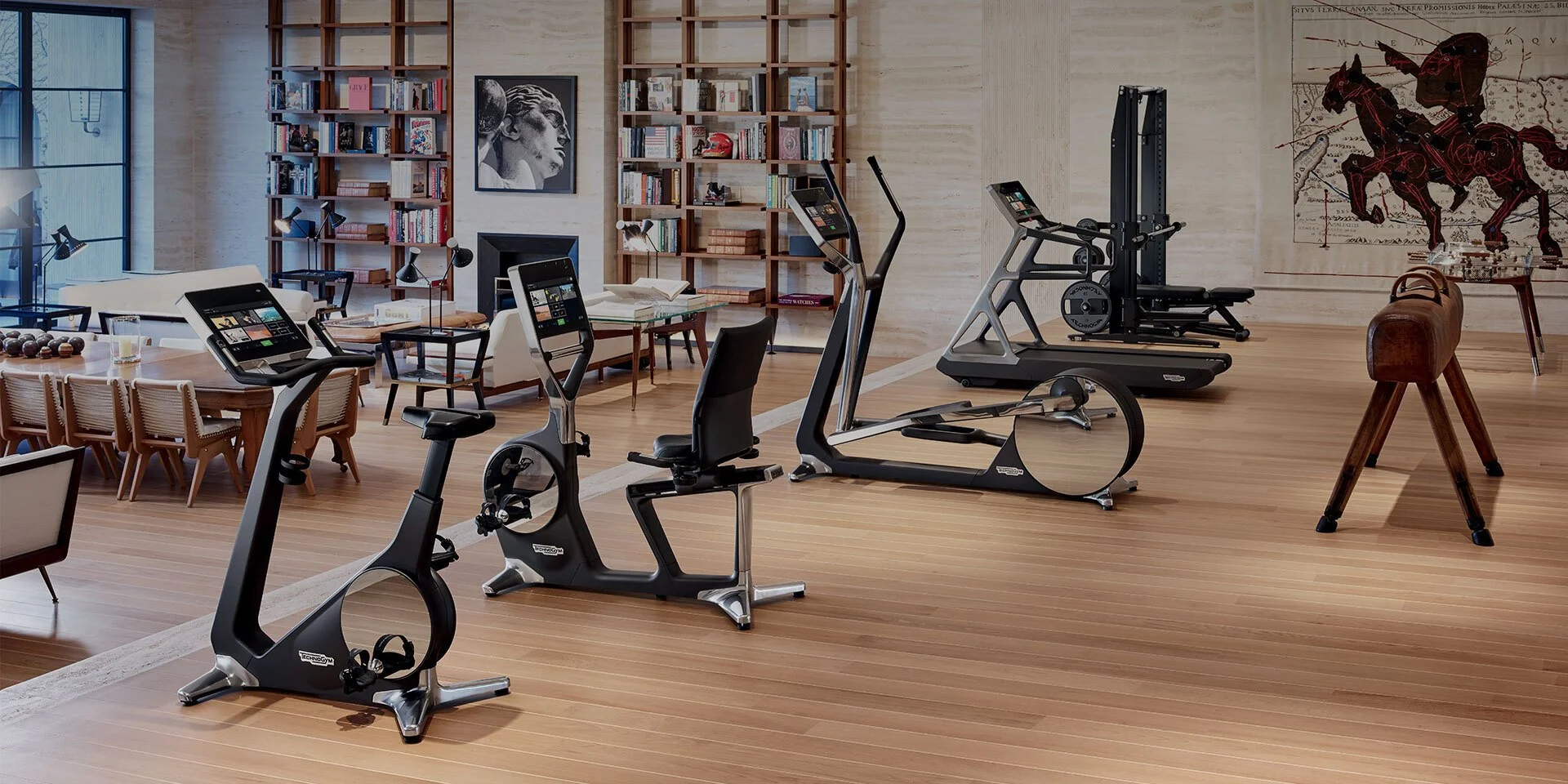
This transformation began within my first six months, with the strategic decision to open Technogym’s first consumer facing showroom. This initiative marked a fundamental shift in how the brand engaged with end consumers. I led the end to end delivery of the showroom, including layout design, equipment selection, complex compliance requirements, logistics, and the operational challenges typical of a new build.
The showroom became the foundation of the consumer strategy, acting as both a sales engine and a brand experience hub. From there, I built the full consumer ecosystem:
Introduced sustained investment in digital marketing to drive qualified demand and brand awareness.
Established strategic partnerships and influencer collaborations to expand reach and credibility within premium consumer networks.
Built and led an inside sales team and boutique assistants, overseeing call campaigns, lead nurturing, and conversion strategy.
Increased investment in media and public relations to position Technogym as the leading premium wellness brand for the home.
This shift transformed Technogym from a largely B2B organisation into a balanced, omnichannel business, with a high margin consumer division playing a central role in growth and profitability.
This initiative demonstrates my ability to lead large scale consumer transformation programs, combining physical retail, digital demand generation, team building, and brand storytelling into a single, commercially driven strategy.
BUCK Grooming
Go-To-Market Strategy
BUCK Grooming was launched to address a clear gap in the men’s grooming market: a lack of relatable, everyday products positioned between mass market and premium, at a price point that felt accessible without compromising quality or brand strength.
Market and Competitive Analysis
The men’s grooming category was highly polarised between supermarket brands competing primarily on price and premium brands positioned around aspiration, status, and luxury. This left a clear white space for a mid-priced, design-led brand that spoke to everyday men in a direct, authentic, and culturally relevant way.
Competitor analysis focused on:
Brand positioning and tone of voice
Price architecture and perceived value
Product range complexity
Retail presence and merchandising standards
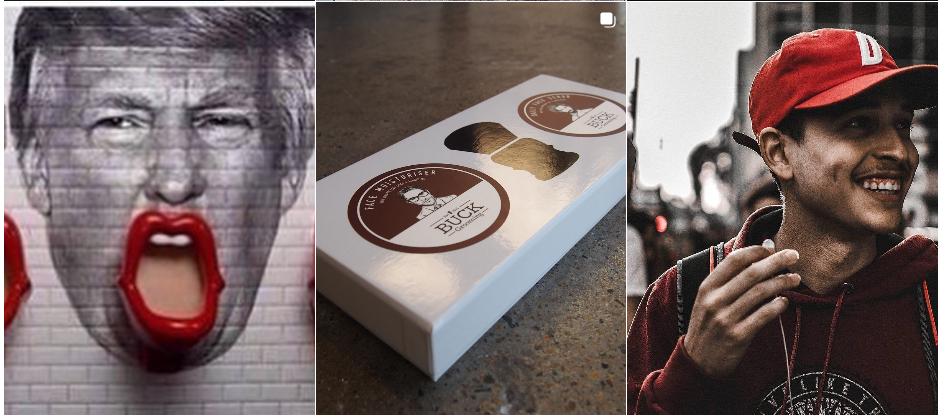
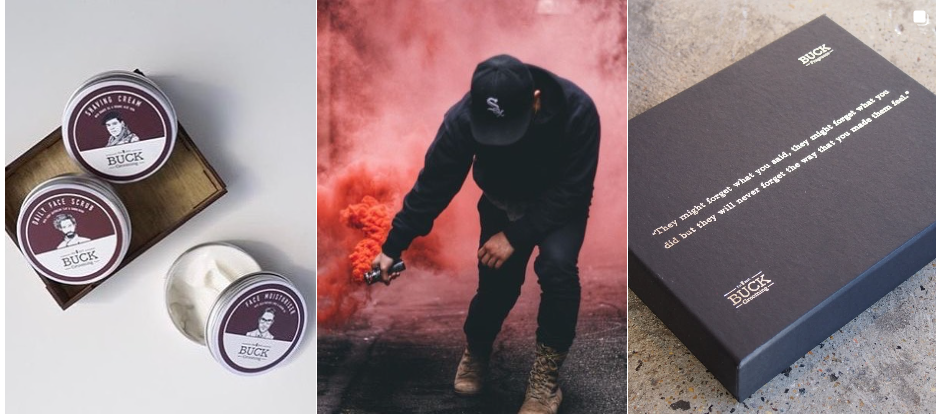
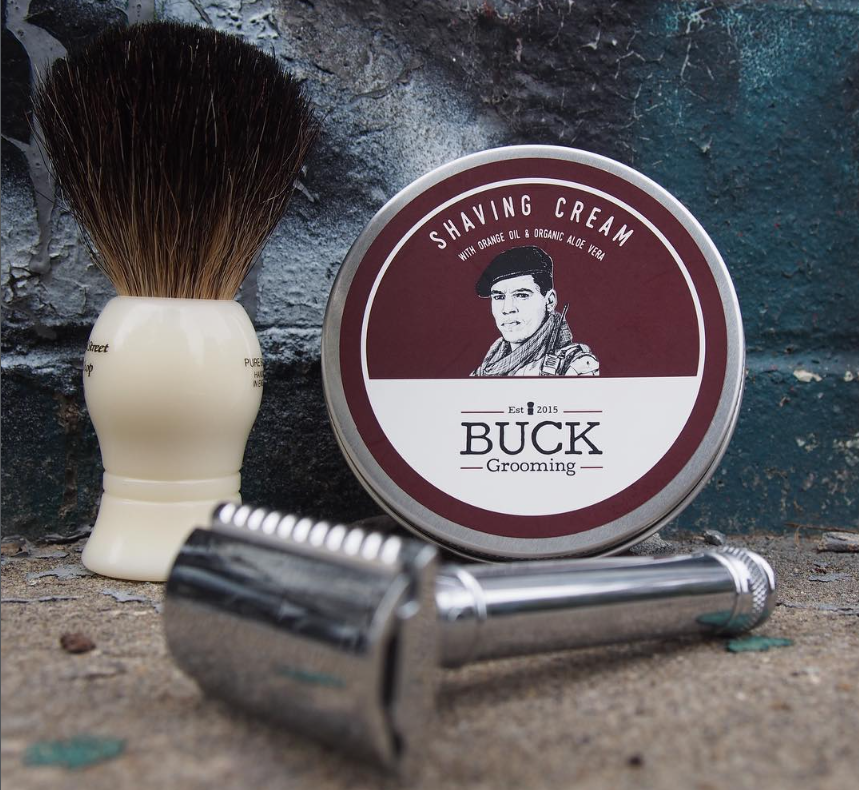
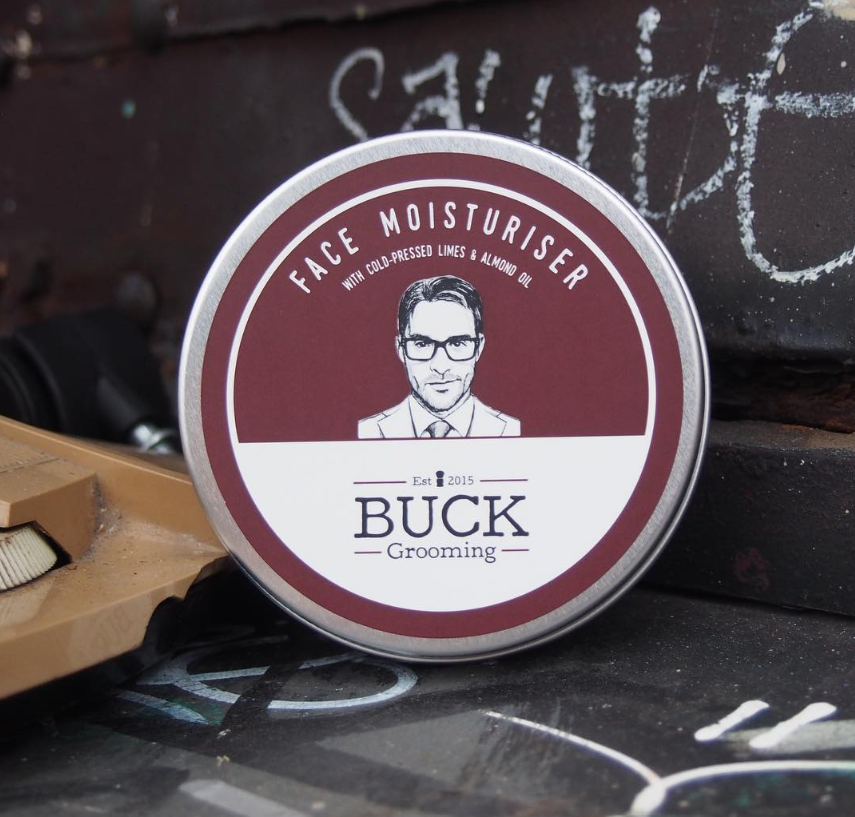
This analysis highlighted an opportunity to prioritise relatability over aspiration. This insight led to the creative decision to anchor each product around the face of an everyday profession, creating familiarity and emotional connection at shelf. The brand line “Remember us by the face” reinforced this positioning and improved memorability in a cluttered category.
Target Customer Definition
Primary Audience
Everyday men seeking simple, effective grooming products
Design-aware but not motivated by luxury or status signalling
Secondary Audience
Gift buyers looking for approachable, well-designed products with personality
Buying Motivations
Ease of choice and clarity
Quality without pretence
Products that feel relatable and practical
Barriers
Intimidation or disconnection from overly premium brands
Lack of trust in generic supermarket options
Usage Occasions
Daily grooming routines
Post-workout or post-shower use
Casual gifting and special edition purchases
Messaging Hierarchy
Core Brand Message
Grooming for everyday men, made simple, relatable, and effective
Product Benefits
Straightforward routines
High-quality formulations
Clear purpose for each product
Proof Points
Distinctive face-led packaging system
Strong retail presence and visual standout
Limited edition releases validating demand and desirability
Pricing and Margin Strategy
Pricing was developed through a dual lens of commercial viability and competitive relevance. Each product was priced to:
Deliver sustainable margins and support reinvestment into brand and marketing
Sit clearly above mass market alternatives while remaining accessible
Reinforce quality perception without entering luxury territory
This ensured profitability while remaining true to the brand’s everyday positioning.
Distribution Strategy
Distribution was intentionally selective rather than mass. The GTM strategy prioritised:
Independent men’s grooming retailers aligned with the brand’s tone and values
Specialist and subscription platforms to encourage repeat purchase behaviour
Direct-to-consumer e-commerce to maintain brand control, margin, and customer data
This approach balanced wholesale credibility with direct consumer relationships.
Brand and Launch Strategy
The launch strategy focused on storytelling rather than features. Every element of the GTM reinforced a cohesive narrative:
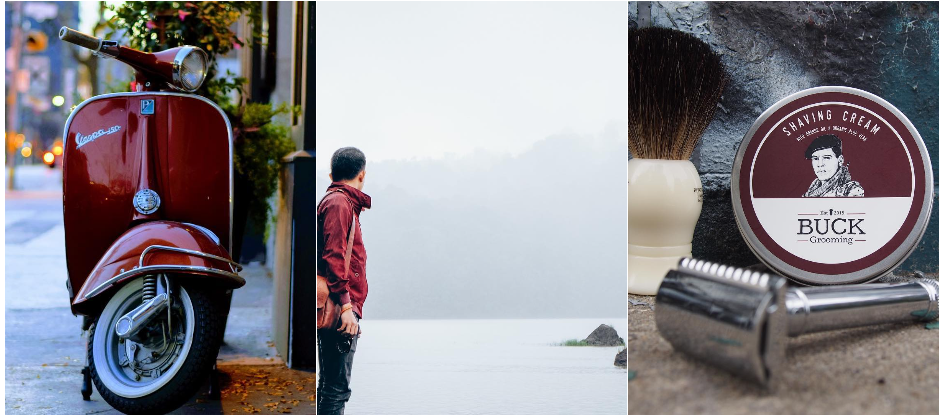
Consistent brand identity across packaging, POS, digital, and campaigns
Tongue-in-cheek messaging that spoke directly to the target audience
In-store displays designed to stand out visually and invite interaction
Limited edition drops were used as a demand and learning lever. A numbered fragrance release sold out within two months, validating product–market fit and the effectiveness of the GTM strategy.
Product Launches and Go To Market Strategy
Technogym
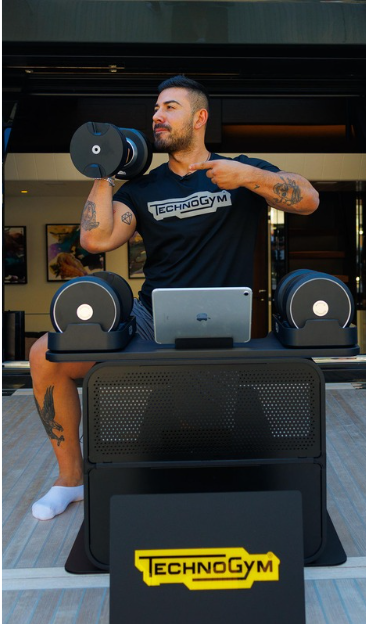
I led the go to market strategy for multiple product launches across Technogym’s portfolio, spanning medical solutions, luxury home products, and core commercial offerings. These launches ranged from incremental innovations to category defining products, including Technogym Connected Dumbbells, the first AI enabled dumbbell system in the market.
For each launch, I developed a structured, insight led GTM framework designed to balance innovation, commercial performance, and portfolio integrity.
My approach began with a deep analysis of market readiness and competitive landscape, assessing direct and indirect competitors, category maturity, and adoption barriers. This informed strategic recommendations on pricing architecture, ensuring competitiveness while protecting brand positioning and margin.
I conducted cannibalisation analysis to understand the impact of new products on existing ranges, alongside detailed sales forecasting to model demand, revenue potential, and risk scenarios. This included identifying potential market resistance points and developing mitigation strategies through messaging, education, and channel prioritisation.
To maximise commercial outcomes, I defined bundling strategies across complementary products and services, creating higher value propositions while increasing average order value. Client segmentation played a critical role, with tailored launch strategies developed for existing customers versus new acquisition audiences based on product relevance and readiness.
Each launch was supported by clear positioning, sales enablement tools, and phased activation plans aligned across marketing, sales, and retail teams.
This work demonstrates my ability to translate innovation into scalable commercial success through disciplined go to market strategy, cross functional alignment, and data driven decision making.